The History
The Birth of England, 927
England was born in 927. That summer, King Æthelstan took the last Viking kingdom and the rulers of Britain bowed to him — and for the first time, a single country called England existed.
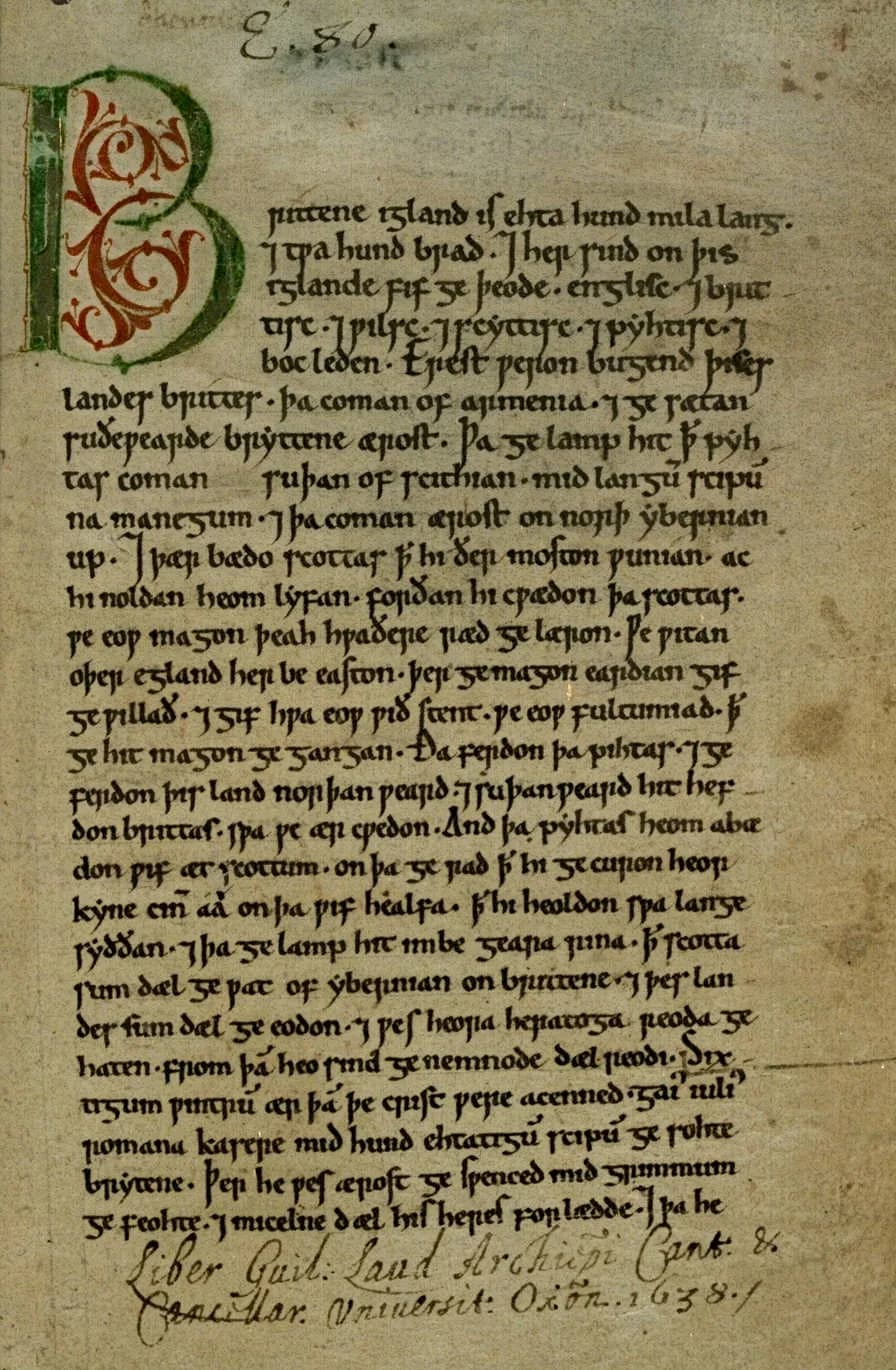
Before England: a patchwork of kingdoms
For three centuries after the Anglo-Saxons settled, “England” was an idea, not a place. Several kingdoms — chiefly Wessex, Mercia, Northumbria and East Anglia — rose and fell. Then, in the 9th century, the Vikings overran almost all of them, until only Wessex, under Alfred the Great, held out. Alfred and his children — Edward the Elder and Æthelflæd, the Lady of the Mercians — slowly won back the Danish-held lands.
927: the year England was made
Alfred’s grandson Æthelstan finished the work. In 927 he marched north and took York — the last Viking kingdom in England. With its fall, every part of England answered to one king for the first time. Ten years later he would defend that new unity at the Battle of Brunanburh.
The meeting at Eamont, 12 July 927
To set the seal on it, Æthelstan summoned the other rulers of Britain — the kings of the Scots, of Strathclyde, of Wales and of Bamburgh — to Eamont, near Penrith. On 12 July 927 they acknowledged him as overlord. Many historians take that day as England’s birth certificate — and it is the date the 1100th anniversary in 2027 will mark.
Why 927, not 1066?
1066 is the date everyone remembers, but the Norman Conquest changed England’s rulers, not its existence — the country was already 139 years old when William landed. England itself was born in 927, under its first king. It is one reason England is counted among the oldest countries in Europe.
How we know
The story reaches us through the Anglo-Saxon Chronicle, kept year by year; the writings of the 12th-century monk William of Malmesbury; and Æthelstan’s own charters and coins, which style him “king of the English” and even “king of all Britain.” Few moments in the early Middle Ages are so well attested.
Frequently asked questions
When did England become a country?
England became a single country in 927, when King Æthelstan united the Anglo-Saxon and Viking kingdoms under one crown.
Who united England?
King Æthelstan, the grandson of Alfred the Great, united England in 927.
What happened in 927?
Æthelstan captured York, the last Viking kingdom in England, and on 12 July 927 the other rulers of Britain submitted to him at Eamont — the moment England became one kingdom.
What was England called before it was united?
There was no single England. The land was divided among Anglo-Saxon kingdoms — chiefly Wessex, Mercia, Northumbria and East Anglia — with much of the north and east under Viking rule, the “Danelaw.”
Why is 927 more important than 1066?
1066, the Norman Conquest, changed England's ruling dynasty. 927 created England as a country in the first place — it was already 139 years old when William the Conqueror arrived.
In 2027, the England born that summer turns 1,100. See the birthday → or join the countdown.