The History
Who Was the First King of England?
The first king of England was Æthelstan. In 927 he united the Anglo-Saxon and Viking kingdoms into a single realm and ruled as the first “King of the English” — not William the Conqueror in 1066, and not even his own grandfather, Alfred the Great.
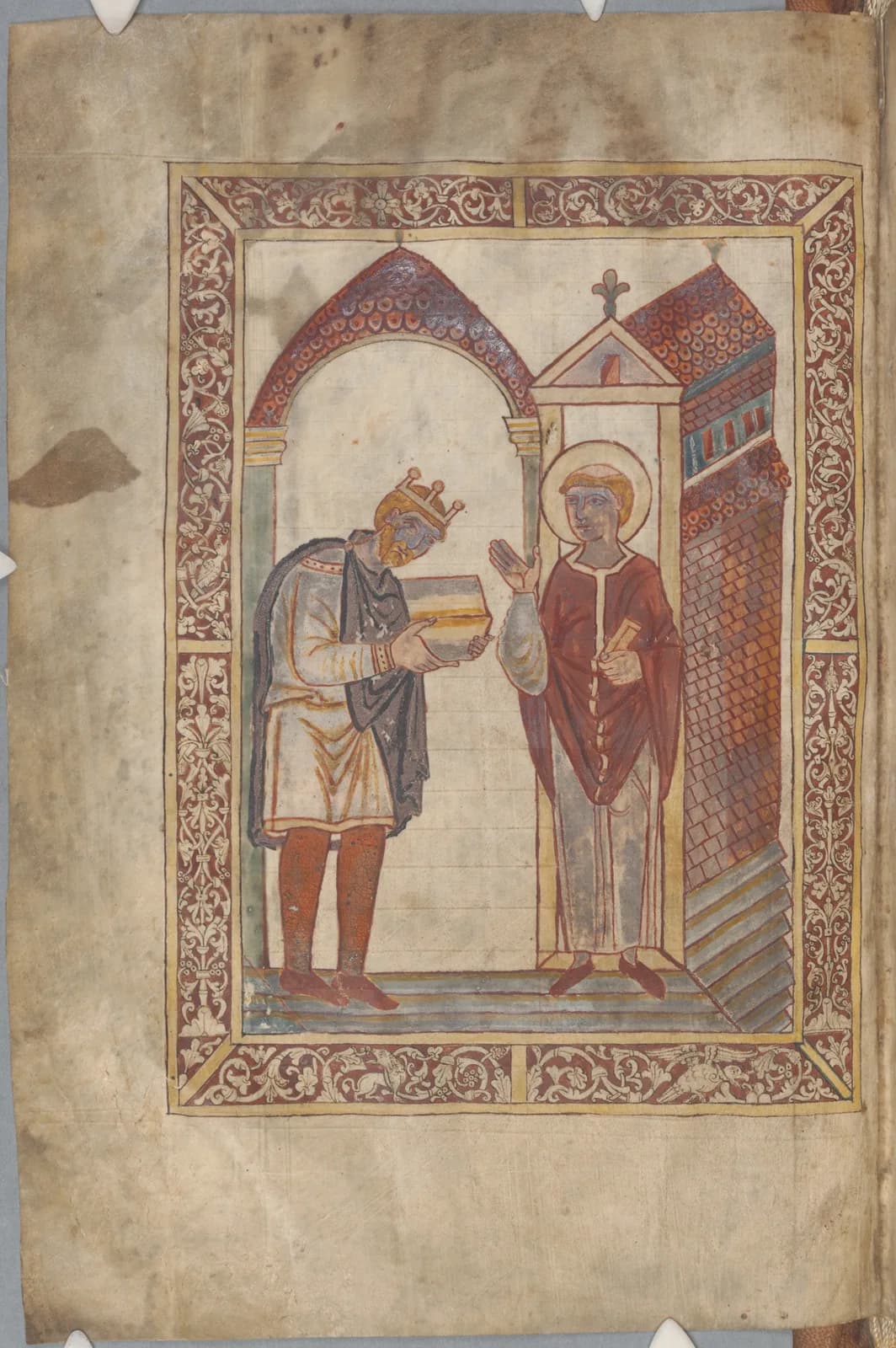
Not Alfred, not William — why Æthelstan
The confusion is understandable. Egbert of Wessex (d. 839) is sometimes named an early overlord of the English, but he ruled Wessex, not a united country. Alfred the Great (871–899) drove back the Vikings and styled himself “King of the Anglo-Saxons” — yet much of England still lay under Danish rule. Alfred’s son Edward the Elder pushed that frontier north, and it was Alfred’s grandson, Æthelstan, who finished the work and first ruled the whole of England.
How Æthelstan united England
Æthelstan became King of the Anglo-Saxons in 924 and was crowned on 4 September 925 at Kingston upon Thames, on the old border between Wessex and Mercia. Two years later, in 927, he captured York — the last Viking kingdom in England — and summoned the other rulers of Britain to Eamont, near Penrith, on 12 July 927. That date is now taken as the birth of England. Coins struck afterwards gave him a bold new title: Rex totius Britanniae — “King of all Britain.”
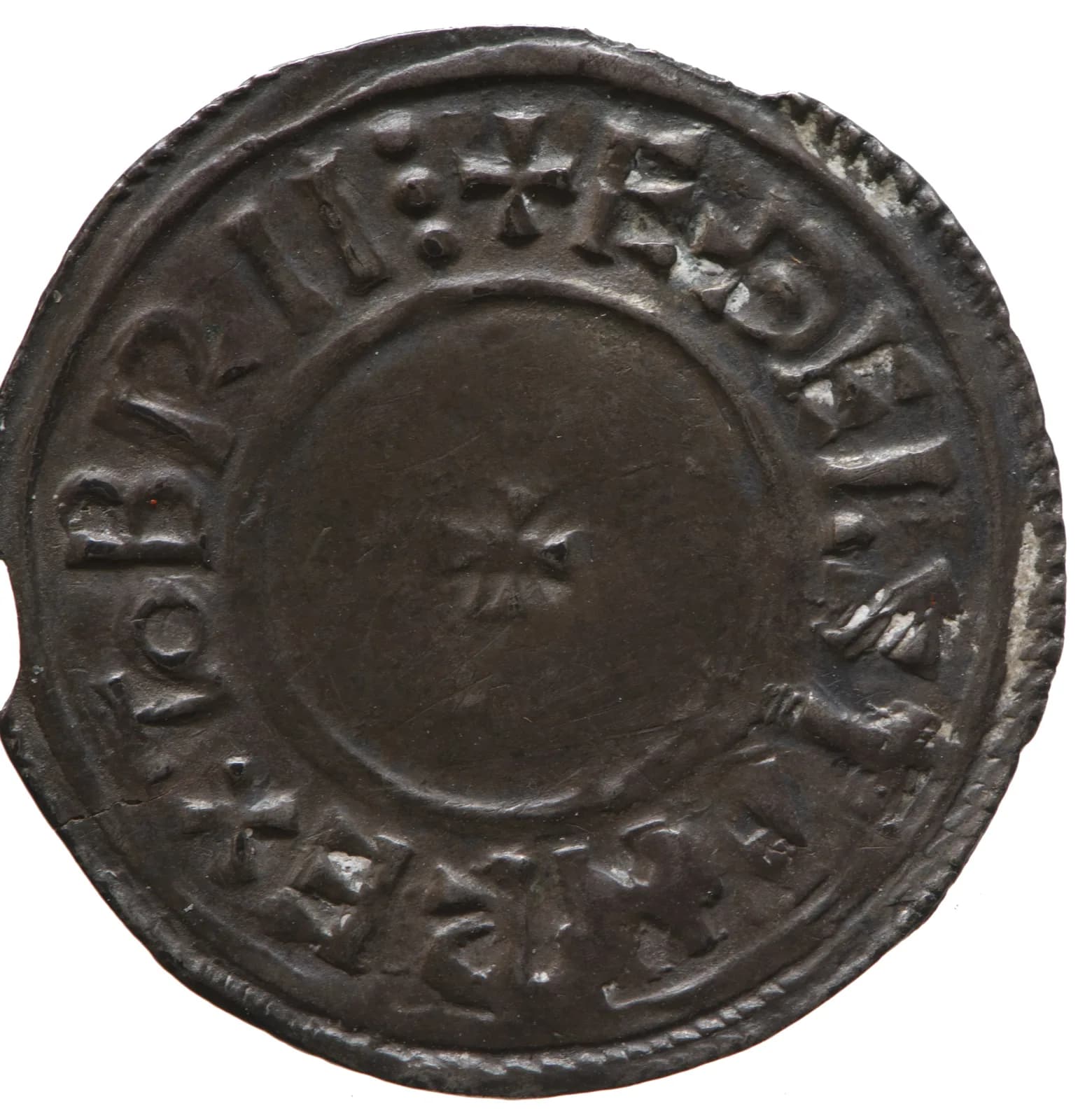
Brunanburh, 937 — the battle that secured England
A united England made enemies. In 937 a coalition of Scots, Strathclyde Britons and Norse-Gael Vikings invaded — and Æthelstan crushed them at the Battle of Brunanburh, a victory so complete it rang across medieval Europe and sealed England’s place as a single kingdom.
Death, burial and a lost grave
Æthelstan died at Gloucester on 27 October 939, after about fifteen years on the throne. By his own wish he was buried not at the royal seat of Winchester but at Malmesbury Abbey in Wiltshire, beside cousins who had fallen at Brunanburh. His bones were lost during the Dissolution of the Monasteries; today an empty 15th-century tomb stands in his memory.
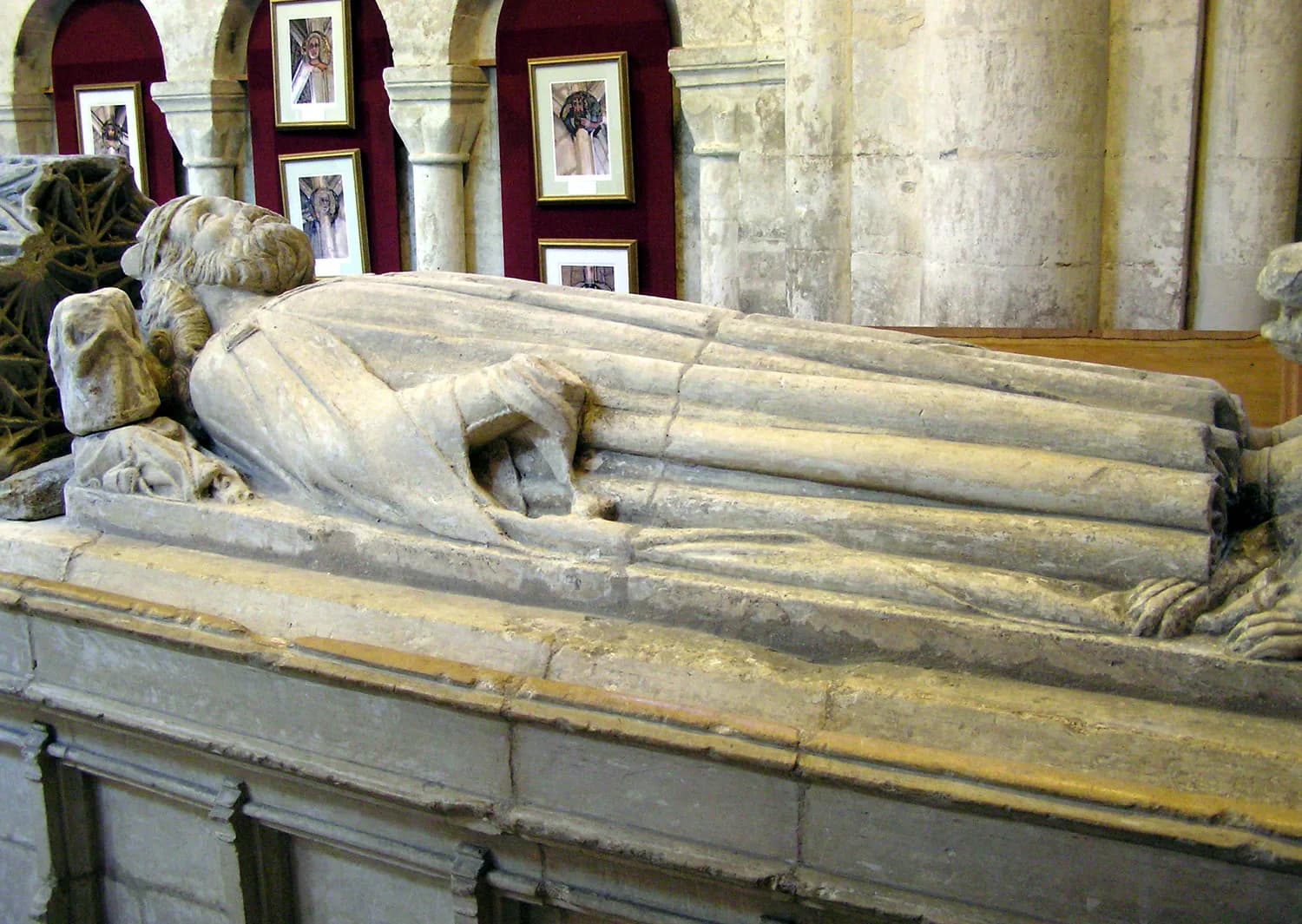
The Æthelstan of Vikings and The Last Kingdom
If the name rings a bell from television, take care: the Athelstan of the series Vikings is a fictional monk, not the king. The real Æthelstan does appear in The Last Kingdom, dramatised as the young king who completes the unification of England.
Frequently asked questions
Who was the first king of England?
The first king of England was Æthelstan (reigned 924–939). In 927 he conquered the Viking kingdom of York and became the first monarch to rule the whole of England, styling himself “King of the English” and even “King of all Britain.”
Was Alfred the Great the first king of England?
No. Alfred (871–899) ruled Wessex and called himself “King of the Anglo-Saxons,” but much of England was still under Viking rule. It was his grandson Æthelstan who first united the country, in 927.
When did Æthelstan become king?
He became King of the Anglo-Saxons in 924, was crowned on 4 September 925 at Kingston upon Thames, and ruled a united England after taking York in 927.
What does the name Æthelstan mean?
Æthelstan is Old English for “noble stone” — æthel (“noble”) plus stān (“stone”).
Where is Æthelstan buried?
At Malmesbury Abbey in Wiltshire, by his own wish. His bones were lost during the Dissolution of the Monasteries; an empty 15th-century tomb marks him today.
Who succeeded Æthelstan?
His half-brother Edmund I, who became king on Æthelstan’s death in 939.
In 2027, the England that Æthelstan made turns 1,100. Read about the birthday → or get the countdown.